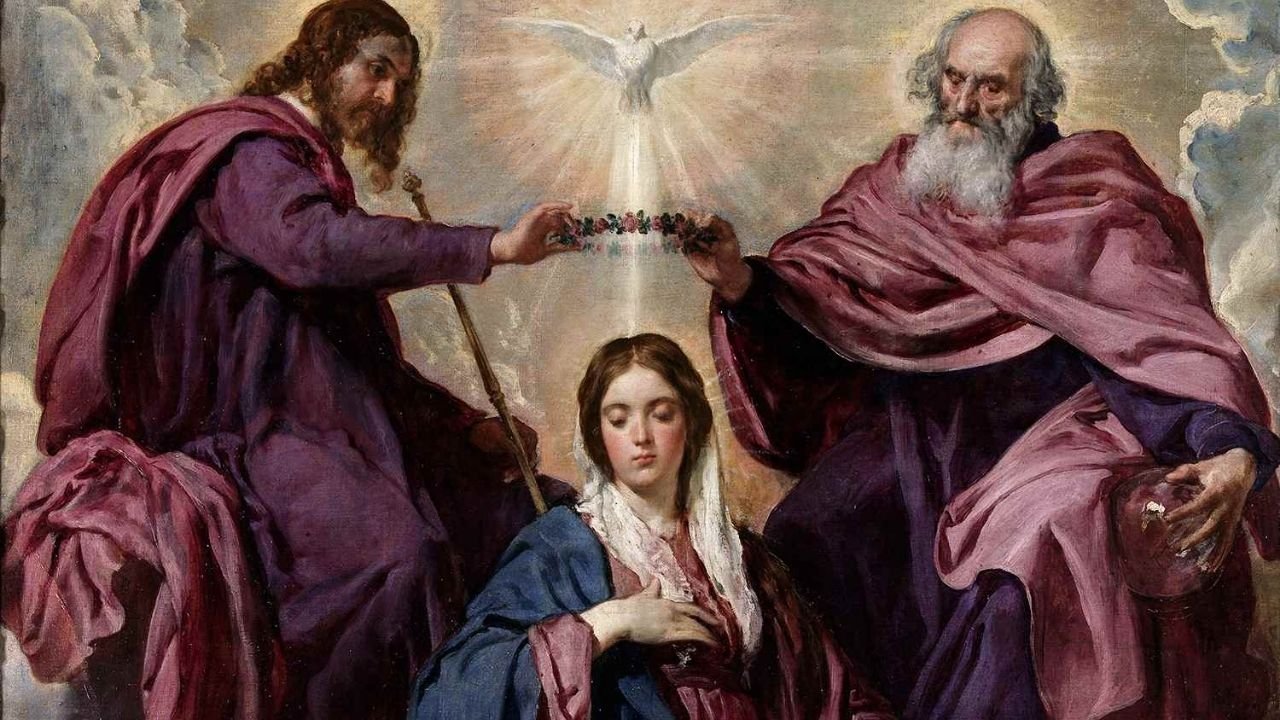
In the Catholic Church, holy days and ceremonial dinner days play an critical position within the non secular lifestyles of believers. They mark sizable events within the lifestyles of Jesus Christ, honor the Blessed Virgin Mary and the saints, and have a good time key mysteries of the religion. Understanding these special days helps Catholics deepen their faith and live linked to the Church’s rich traditions at some point of the year.
What Are Holy Days of Obligation?
Holy Days of Obligation are unique days whilst Catholics are required to attend Mass, simply as they do on Sundays. These days commemorate principal occasions in salvation history. While the precise listing can vary with the aid of country, normally discovered holy days include:
- The Solemnity of Mary, Mother of God
- The Ascension of the Lord
- The Assumption of the Blessed Virgin Mary
- All Saints’ Day
- The Immaculate Conception
- Christmas
These days emphasize essential beliefs of the Catholic faith and invite the faithful to pause from every day routines to cognizance on worship, prayer, and reflection.
What Are Feast Days?
Feast days celebrate critical moments inside the existence of Christ, the Virgin Mary, and the saints. Unlike Holy Days of Obligation, attending Mass on feast days is encouraged but no longer always required. Feast days help Catholics take into account the lives of saints who lived with sturdy religion and distinctive feature, offering thought and steerage for day by day residing.
Saints’ banquet days regularly commemorate the day in their death, seen as their entrance into everlasting life. Celebrating nowadays encourages believers to learn from the saints’ examples of courage, humility, charity, and devotion to God.
The Liturgical Calendar
Catholic holy days and banquet days are prepared in the liturgical calendar, which follows the lifestyles of Christ at some point of the year. Major seasons consist of Advent, Christmas, Lent, Easter, and Ordinary Time. Each season highlights a exclusive aspect of Christian religion and spiritual increase.
Special ceremonial dinner days along with Easter, Pentecost, and Corpus Christi celebrate middle mysteries of religion and are primary to Catholic worship. The calendar enables manual prayer, Scripture readings, and non secular recognition as the year progresses.
Why These Days Matter
Holy days and feast days remind Catholics that religion is not restrained to Sundays on my own. These celebrations offer opportunities to mirror on God’s work in history and in personal lifestyles. They assist believers grow spiritually through connecting prayer, worship, and every day dwelling.
These days additionally foster a feel of cohesion in the Church. Catholics around the sector celebrate the identical occasions, reinforcing the shared ideals and traditions that bind the global Church collectively.
Living Holy Days at Home
Beyond attending Mass, Catholics can honor holy days and banquet days at home via prayer, Scripture reading, and acts of kindness. Families might also percentage tales of saints, prepare unique meals, or set apart quiet time for reflection. These practices help make faith a dwelling a part of everyday life.
Conclusion
Catholic holy days and feast days are meaningful possibilities to deepen religion and improve religious existence. They have fun key occasions in salvation history and honor individuals who lived lives of holiness and devotion. By expertise and staring at these special days, Catholics can develop toward God, research from the saints, and preserve religion alive throughout the year.