The Catholic Mass is the heart of Catholic worship and non secular life. For many believers, attending Mass is a weekly rhythm, yet the deeper that means within the lower back of each element can occasionally be disregarded. The Mass isn’t simplest a ritual; it’s miles a sacred adventure that leads the trustworthy into communion with God and with each different. Understanding the Mass grade by grade allows Catholics participate more completely and meaningfully on this relevant act of faith.
1. Introductory Rites
The Mass starts offevolved with the Introductory Rites, which put together the congregation to go into into prayerful worship. The front procession and beginning hymn unite the assembly because the priest tactics the altar. The Sign of the Cross reminds the trustworthy of their baptism and their courting with the Holy Trinity.
The priest then gives a Greeting, acknowledging God’s presence a number of the humans. This is followed with the aid of the Penitential Act, in which all people displays on their shortcomings and asks for God’s mercy. On Sundays and special events, the Gloria is sung, praising God’s greatness and love. The Introductory Rites finish with the Opening Prayer, collecting the intentions of the network.
2. Liturgy of the Word
The Liturgy of the Word centers on being attentive to God talk via Sacred Scripture. Typically, there’s a analyzing from the Old Testament, observed by a Responsorial Psalm, which lets in the congregation to respond prayerfully. A second reading from the New Testament letters maintains the message of religion.
The Gospel is the highlight of this segment. The congregation stands as a signal of admire for Christ, whose life and teachings are proclaimed. Afterward, the priest or deacon delivers the Homily, explaining the readings and assisting practice them to daily life. The congregation then professes its faith through the Creed and offers intentions throughout the Prayer of the Faithful.
3. Liturgy of the Eucharist
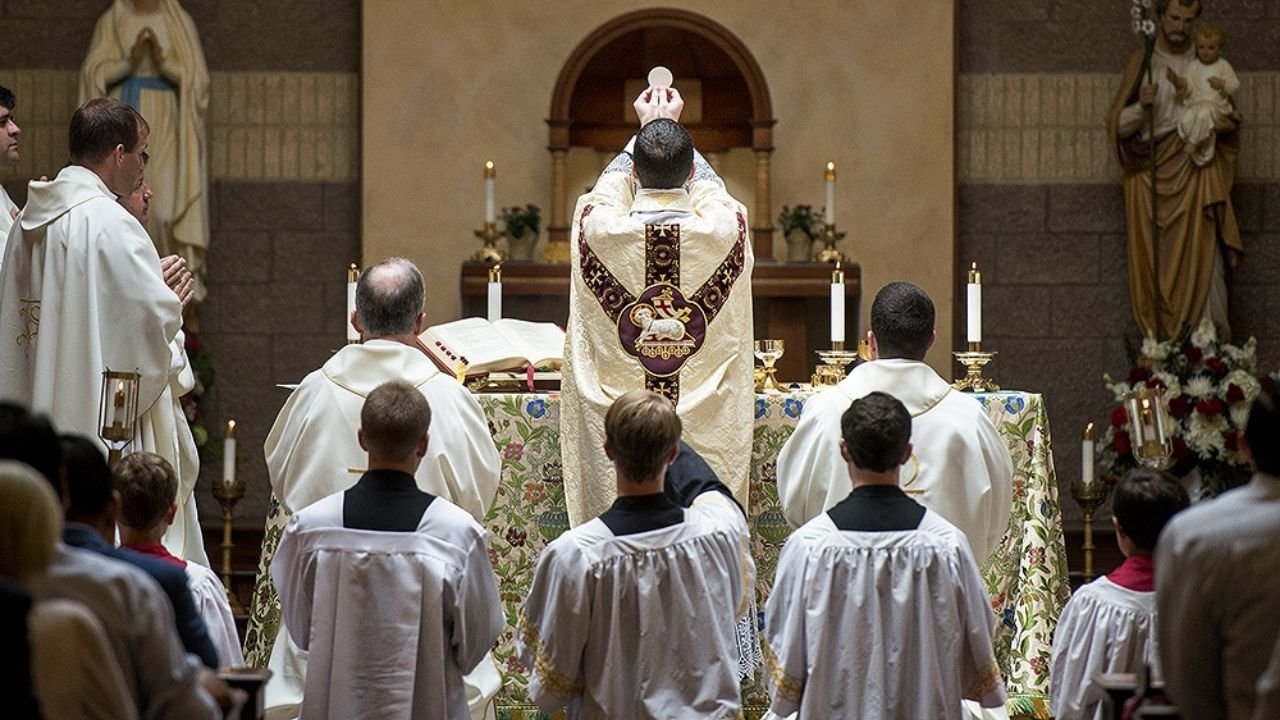
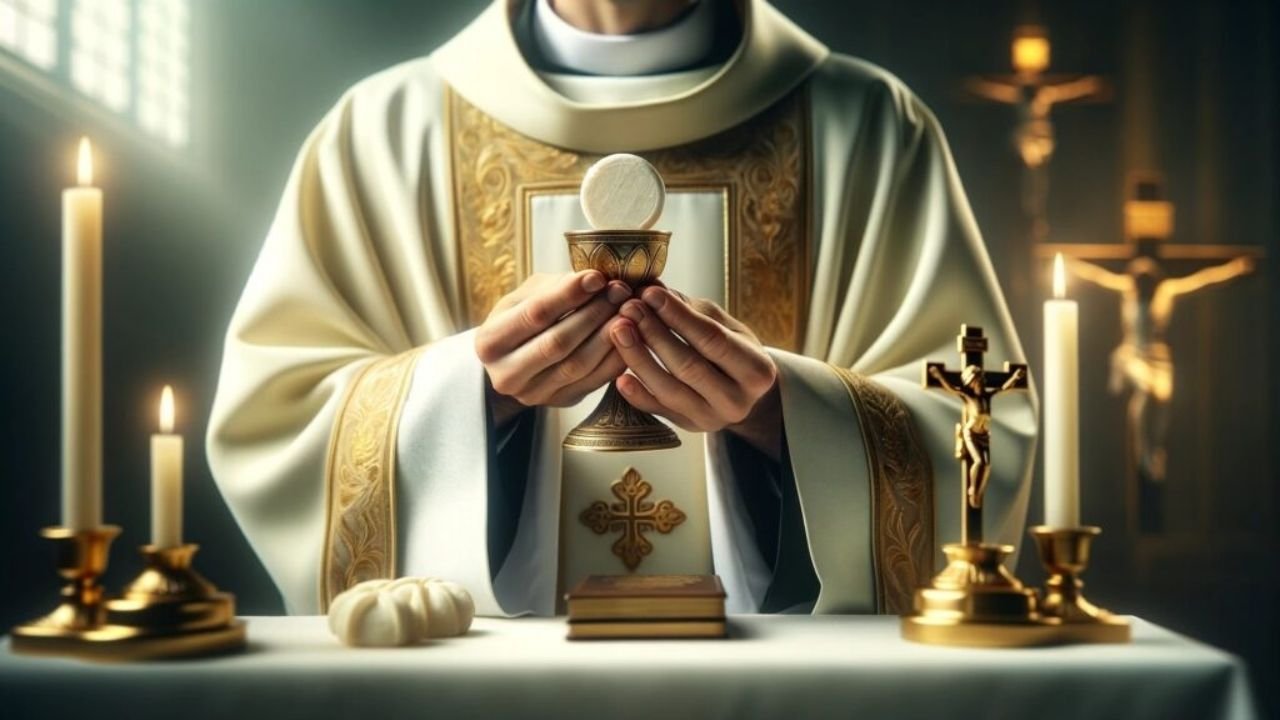
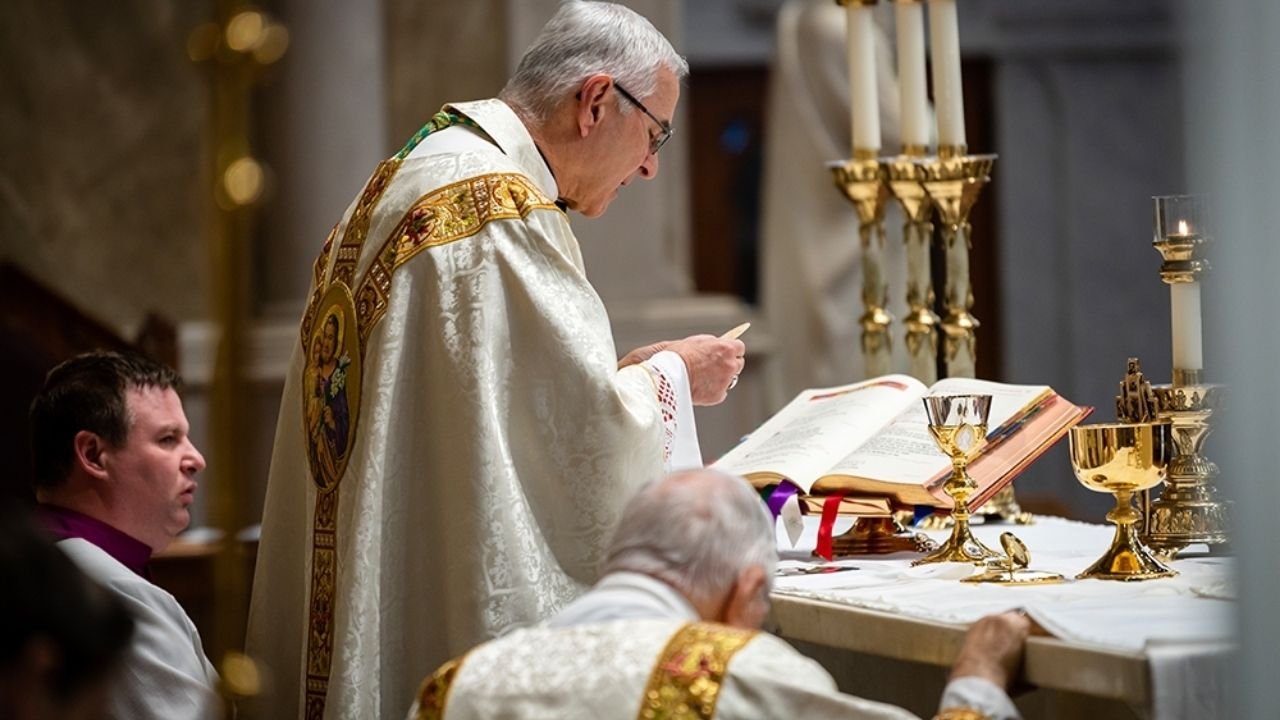
The Liturgy of the Eucharist is the coronary heart of the Mass. It starts with the Preparation of the Gifts, at the same time as bread and wine are introduced to the altar, symbolizing the supplying of our lives to God. The priest prays over these items, asking that they may be everyday.
The Eucharistic Prayer follows, a prayer of thanksgiving wherein the bread and wine are consecrated and become the Body and Blood of Christ through the strength of the Holy Spirit. This second expresses the Church’s notion in Christ’s real presence in the Eucharist.
The congregation then prays the Lord’s Prayer, exchanges the Sign of Peace, and prepares for Holy Communion. Receiving the Eucharist strengthens the devoted spiritually and unites them greater intently with Christ and every different.
4. Concluding Rites
The Mass ends with the Concluding Rites, which deliver the devoted forth to live what they’ve got celebrated. After a brief prayer and final blessing, the priest dismisses the congregation, reminding them to hold Christ’s love into the sector through provider and suitable works.
Conclusion
Understanding the Catholic Mass step by step reveals its richness and purpose. Each part invites believers to reflect, provide thanks, and grow in faith. The Mass nourishes the soul, strengthens the Christian community, and calls Catholics to carry God’s presence into their ordinary lives. By participating with consciousness and devotion, the faithful can experience the Mass as a effective source of grace, renewal, and non secular strength.